
Field journal
Make the build decisions before the trail decisions.
Practical guidance for comparing platforms, prioritizing equipment, and understanding the route from configuration to quote.
All guides
Choose a place to begin.
Platform, storage, climate, power, and equipment guidance for planning a van around the way you travel.
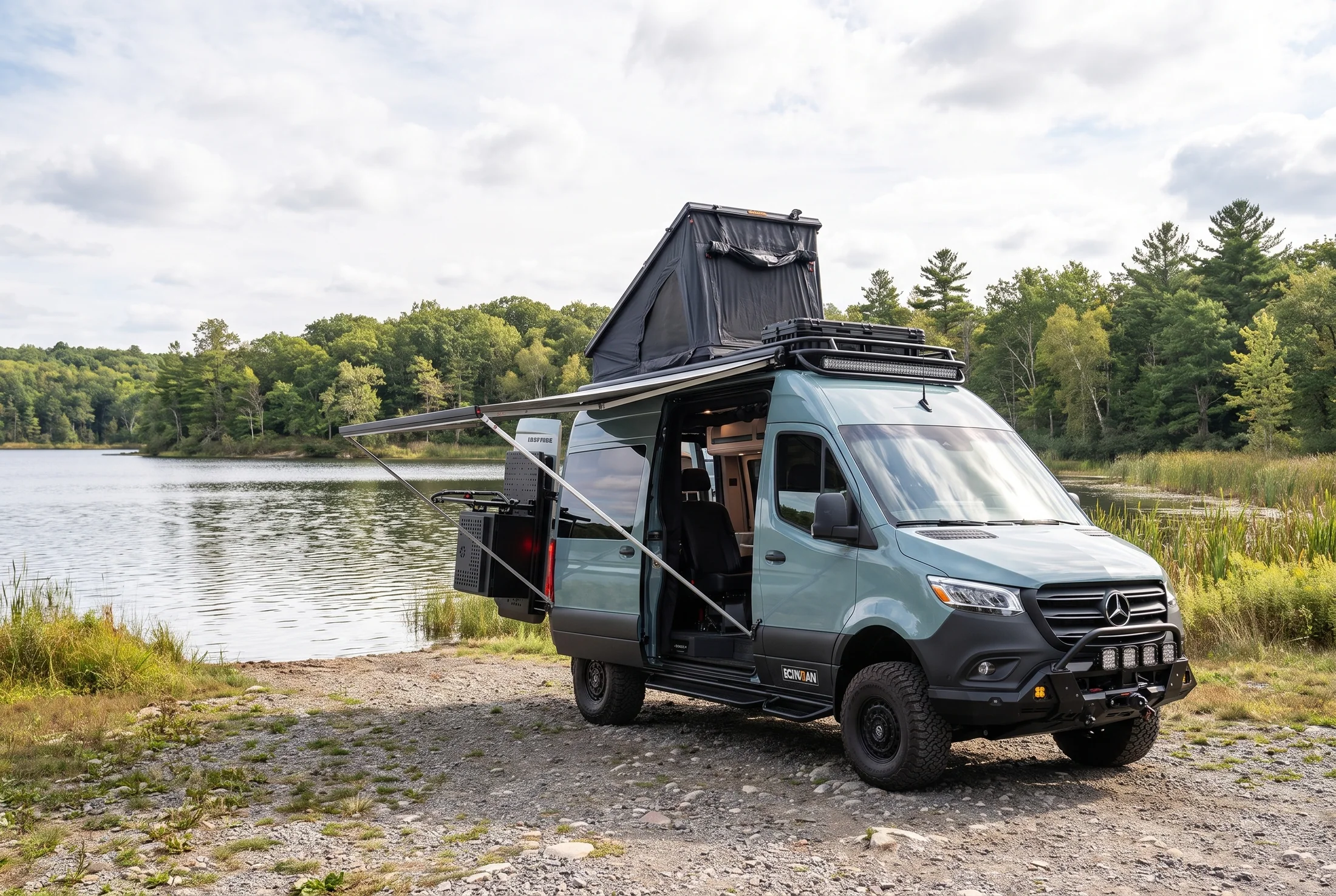
Platform guide
Start with the way you travel
A practical framework for comparing passenger space, gear capacity, camp systems, and everyday use.
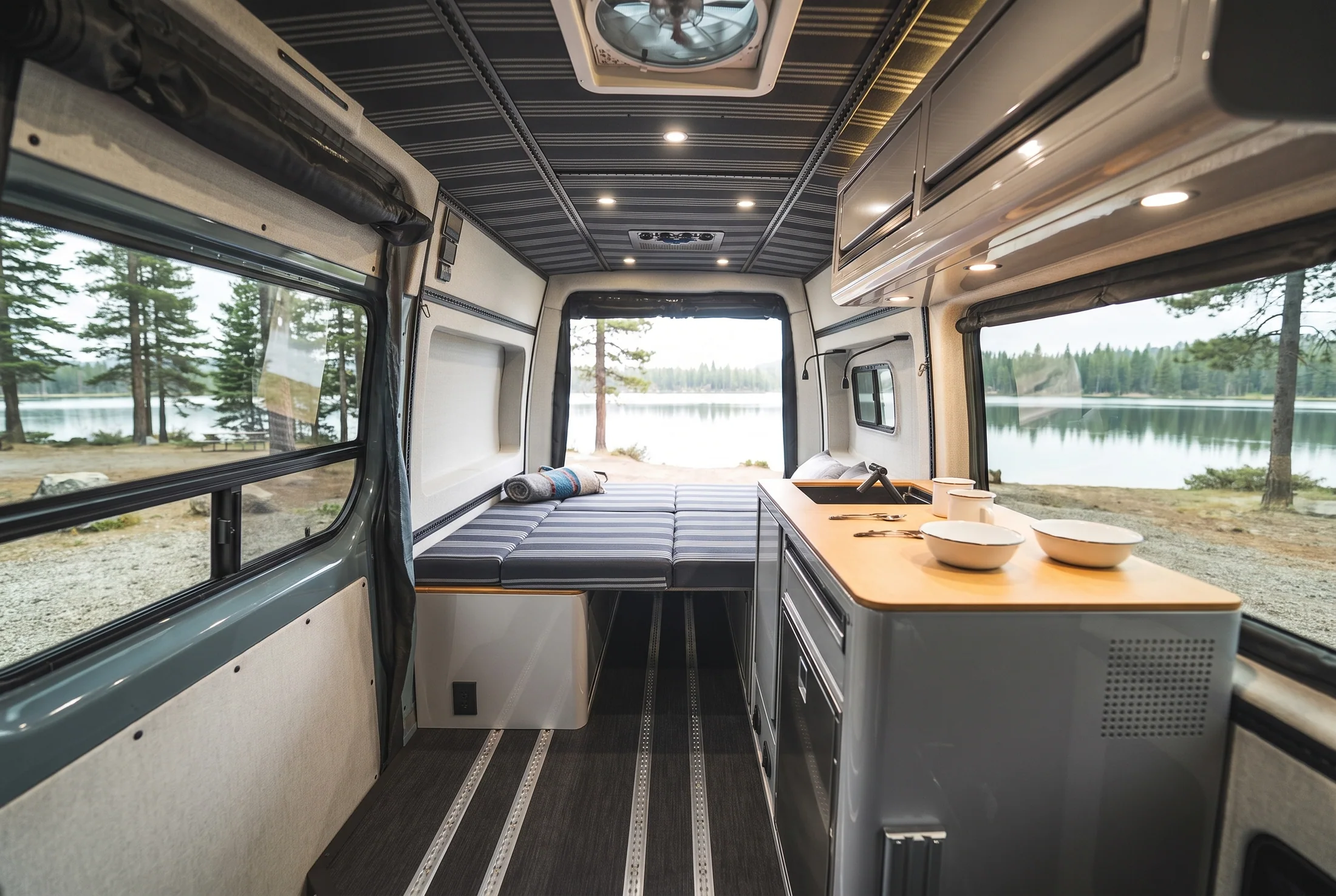
Build planning
Choose equipment by priority, not by category
Organize a build around the problems it must solve: access, recovery, climate, power, storage, and sleep.
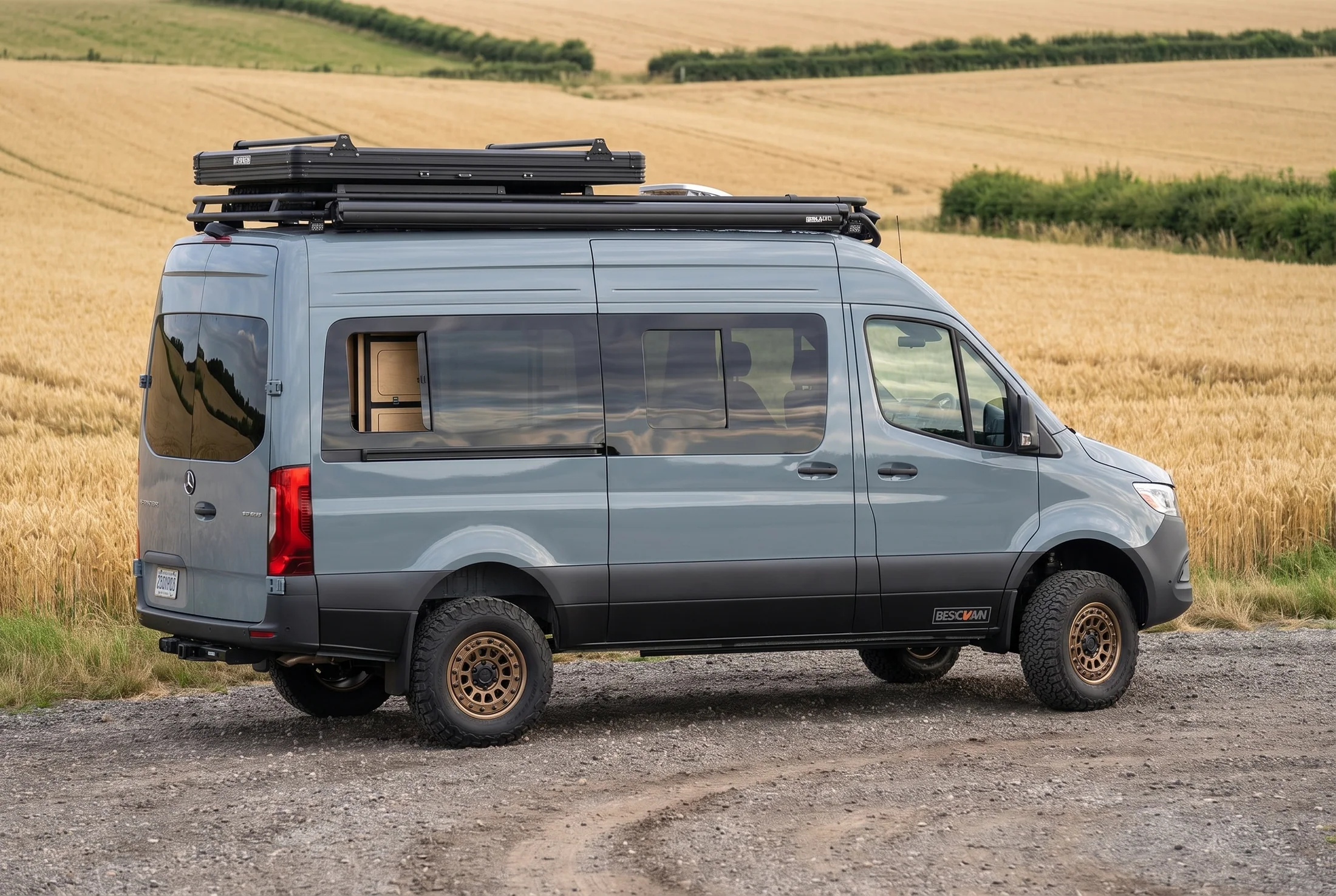
Process
From configuration to a reviewed quote
What the online build can establish—and what still requires a Patrol Vans review.
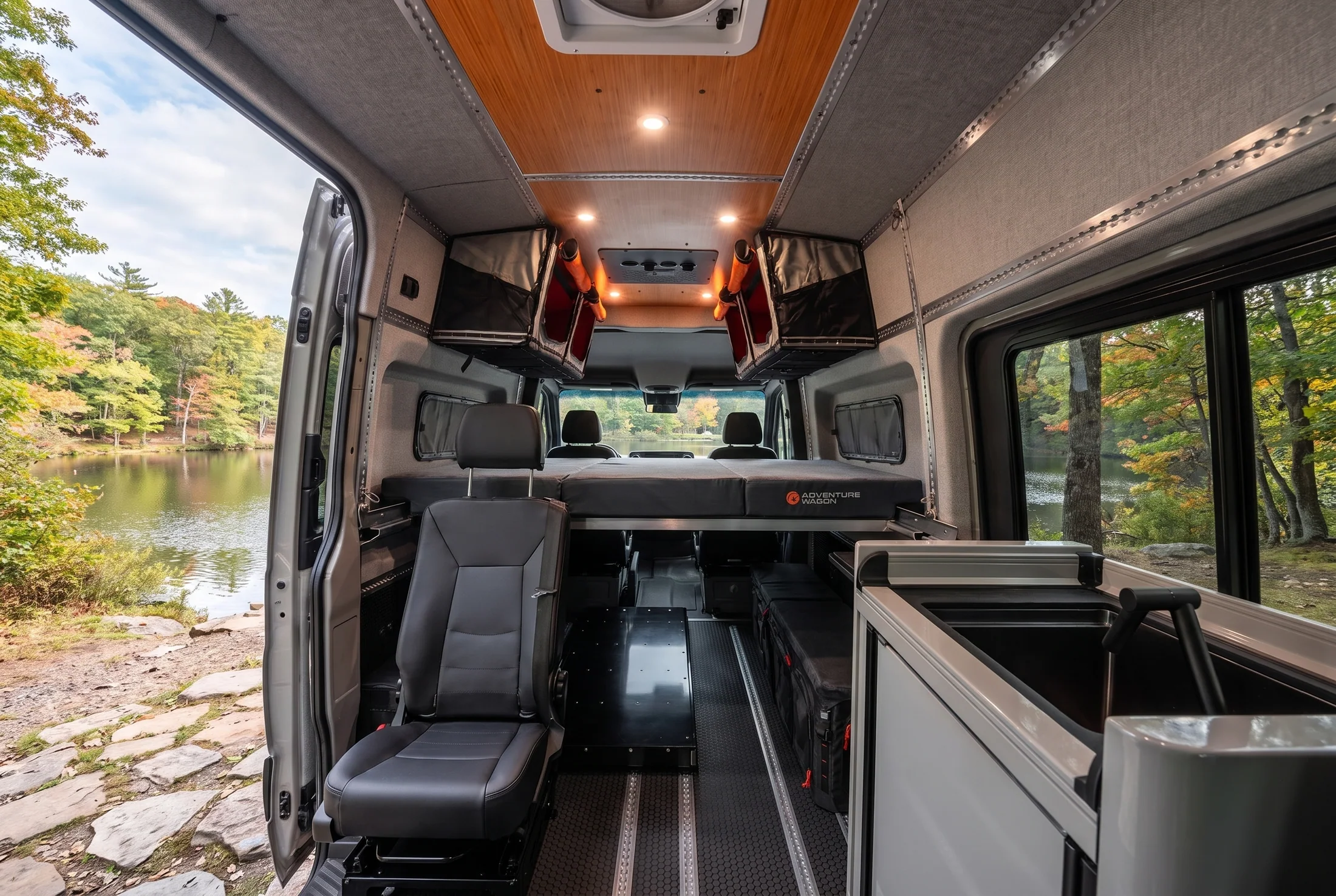
Storage guide
Pack by access, not just by volume
A storage plan works when the things you need first are the easiest things to reach.
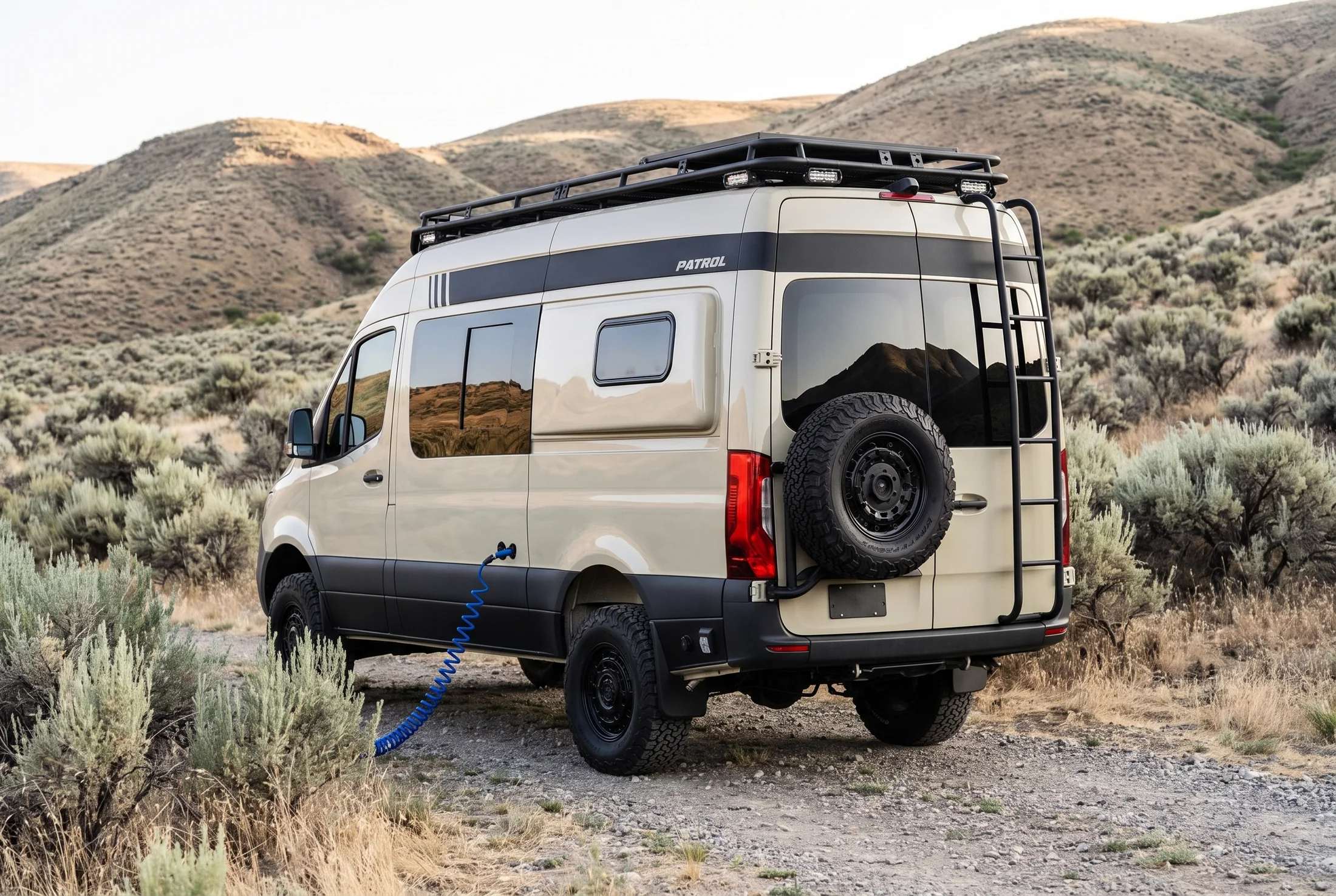
Climate guide
Design for the coldest mile
Heating, insulation, water, and ventilation work best when they are planned as one climate system.
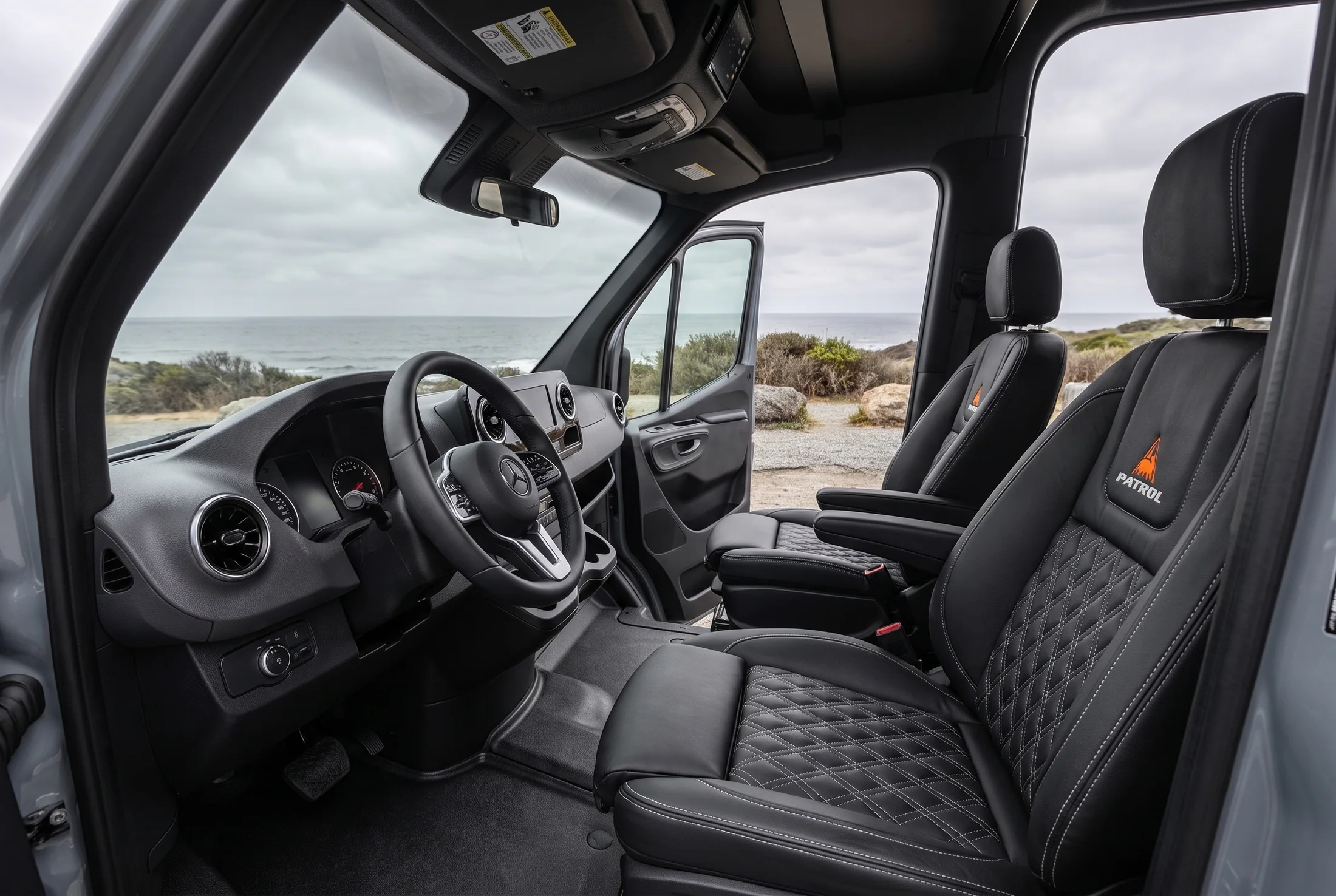
Power guide
Size power around a day in camp
Build an electrical plan from real loads, travel patterns, and charging opportunities.
Read the journal
Field notes for the build ahead.
Platform guide · 5 minute readStart with the way you travel
A practical framework for comparing passenger space, gear capacity, camp systems, and everyday use.
Begin with the non-negotiables
List the people, animals, and equipment that must travel every time. Then separate those requirements from occasional wants. Seating, sleeping, storage, and working room determine the useful shape of a build long before individual accessories do.
Match the platform to the mission
AlphaVan is the flexible family and everyday-use platform in the current catalog. EchoVan is centered on overland and off-grid travel. OmegaVan uses the longer platform for greater equipment and working-room demands.
Plan systems together
Heating, water, electrical capacity, roof equipment, suspension, and storage affect one another. Treat them as one configuration rather than isolated purchases, then have compatibility confirmed in the formal quote.
Build planning · 4 minute readChoose equipment by priority, not by category
Organize a build around the problems it must solve: access, recovery, climate, power, storage, and sleep.
Define the operating conditions
A cold-weather route creates different priorities than warm coastal travel. Long stretches away from services place more weight on power, communications, recovery, and storage. Daily use puts access and flexible seating near the top.
Protect the core layout
Large modules compete for floor, wall, roof, and rear-door locations. Select the essential functions first so secondary equipment does not compromise circulation, sleeping space, or access to important systems.
Leave room to refine
A useful first configuration is a decision tool. Review it with Patrol Vans, confirm current compatibility and pricing, and revise before treating it as a final build specification.
Process · 3 minute readFrom configuration to a reviewed quote
What the online build can establish—and what still requires a Patrol Vans review.
Use the configuration to establish intent
The online build records the platform and equipment that best express how you intend to use the van. It makes tradeoffs visible and gives the sales conversation a concrete starting point.
Review the complete system
The submitted total is not a substitute for technical and commercial review. Patrol Vans confirms current product data, compatibility, prerequisites, scope, and availability before issuing an authoritative quote.
Preserve the reviewed snapshot
The planned platform stores the exact reviewed configuration with its quote so later catalog changes do not rewrite the historical selection or pricing basis.
Storage guide · 4 minute readPack by access, not just by volume
A storage plan works when the things you need first are the easiest things to reach.
Map the rhythm of a travel day
Separate roadside items, camp setup, daily essentials, and long-term storage. Recovery gear and safety equipment should remain reachable without unloading the van, while bedding and camp supplies can live deeper in the layout.
Give every zone a job
Rear storage can carry bulky outdoor equipment, upper cabinets can hold light daily items, and floor-level compartments can support dense equipment. Clear zones make it easier to keep weight, access, and movement under control.
Test the plan before adding hardware
Walk through arrival, cooking, sleeping, and departure in order. A shelf, box, or carrier earns its place only when it makes those routines simpler without blocking another essential task.
Climate guide · 5 minute readDesign for the coldest mile
Heating, insulation, water, and ventilation work best when they are planned as one climate system.
Start with the conditions outside
Define the lowest temperatures, highest humidity, typical elevation, and how long the van may sit without shore power. Those conditions shape the heating load, water protection, ventilation, and energy reserve the build needs.
Treat comfort as a complete system
Insulation slows heat transfer, but heating, airflow, window coverage, and moisture management determine whether the cabin stays comfortable. Each choice affects the others and should be reviewed together.
Plan for recovery
Cold-weather equipment should remain serviceable when conditions are poor. Keep shutoffs, drains, filters, and critical controls accessible, and preserve a practical fallback when a primary system is unavailable.
Power guide · 6 minute readSize power around a day in camp
Build an electrical plan from real loads, travel patterns, and charging opportunities.
List loads before battery capacity
Begin with refrigeration, lighting, heating controls, communications, cooking, water equipment, and the devices you expect to charge. Record how long each one runs during a normal day instead of sizing from a single peak number.
Match charging to the route
Frequent driving, long stationary stays, shade, season, and access to shore power change how the battery bank is replenished. The best charging mix follows the way the van will actually move and camp.
Keep a working reserve
A useful plan leaves capacity for poor weather, a changed itinerary, and the inefficiencies present in every electrical system. Patrol Vans can review loads, charging sources, installation scope, and current equipment together.